
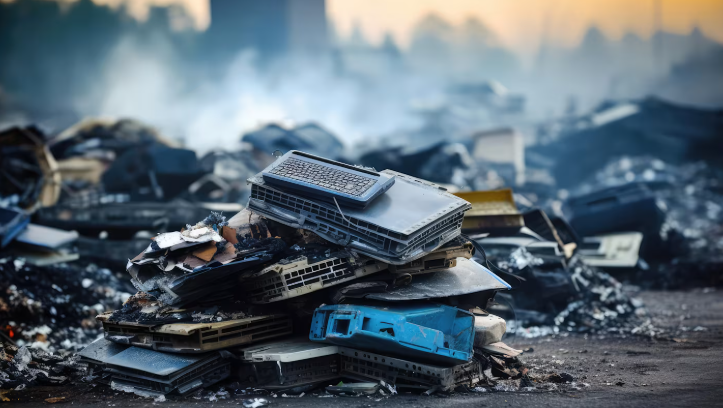
E-Waste and Technology Pollution

E-waste and technology pollution are increasingly critical issues in the modern era. The rapid obsolescence of electronic devices leads to significant environmental degradation. Discarded gadgets often contain hazardous materials that can contaminate soil and water. Furthermore, the associated health risks are alarming. Addressing this complex challenge requires a multifaceted approach. Understanding the scale and implications of this problem is essential for developing effective solutions. What strategies can be employed to mitigate these pressing concerns?
The Growing Challenge of E-Waste
As technology continues to advance at an unprecedented pace, the proliferation of electronic waste (e-waste) has emerged as a significant environmental challenge.
The rapid cycle of electronic upgrades contributes to this issue, with discarded devices accumulating in landfills.
Effective e-waste recycling initiatives are essential to mitigate this growing problem, enabling the recovery of valuable materials while minimizing harmful environmental impacts associated with improper disposal methods.
Environmental Impact of Electronic Waste
Although electronic waste (e-waste) represents a small fraction of total waste generated, its environmental impact is disproportionately significant.
Improper disposal can lead to soil and water contamination due to hazardous materials. Effective recycling methods and global initiatives are crucial for mitigating these effects, promoting sustainable practices, and reducing the ecological footprint of discarded electronics.
Addressing e-waste responsibly is essential for environmental preservation.
Health Risks Associated With E-Waste
The environmental hazards posed by electronic waste extend beyond ecological degradation to significant health risks for individuals handling or living near improperly disposed e-waste.
Toxic exposure to heavy metals and hazardous chemicals can lead to serious health issues, including respiratory problems and neurological disorders.
Proper electronic recycling practices are essential in mitigating these risks, ensuring that harmful materials are safely managed and reducing public health threats.
See also: What Is B2k-Zop3.2.03.5 Model: Model Specification & Technical Review
Sustainable Solutions and Best Practices
While the challenges posed by electronic waste are significant, implementing sustainable solutions and best practices can effectively address these issues.
Robust recycling programs are essential to minimize landfill impact and recover valuable materials.
Additionally, enhancing consumer awareness about responsible disposal and the environmental implications of e-waste empowers individuals to make informed decisions, fostering a culture of sustainability and collective responsibility in technology consumption.
Conclusion
In light of the escalating challenge posed by technology’s fleeting nature, it becomes imperative to embrace innovative recycling initiatives and foster consumer mindfulness. By transforming discarded electronics from mere refuse into valuable resources, society can mitigate the environmental toll and safeguard public health. Ultimately, adopting sustainable practices not only addresses the burgeoning issue of e-waste but also empowers individuals to contribute positively to a cleaner, greener future, where technology harmonizes with ecological stewardship.